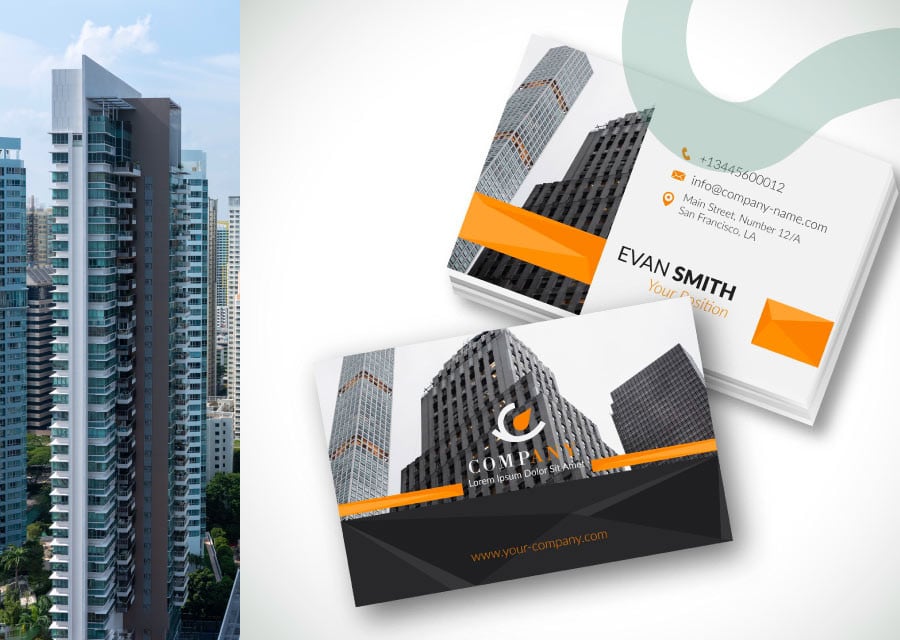
In a market dominated by online ads, automation, and social media, many agents underestimate the quiet impact of a business card. Yet in 2026, real estate business card ideas continue to play a strong role in building trust, recognition, and local credibility. A card is often the first physical impression of your brand, and that impression still shapes decisions.
For agents focused on steady growth and neighborhood presence, business cards are not outdated. They are strategic touchpoints that support visibility, recall, and follow-up.
This guide explores practical and modern real estate business card ideas that help agents attract more clients in 2026, along with clear guidance on design, messaging, and real-world use.
Why Business Cards Still Matter in Real Estate
Real estate is built on trust and familiarity. Clients choose agents they recognize and feel comfortable with. A business card offers something digital ads cannot: a tangible reminder that stays in a wallet, on a desk, or pinned at home.
Strong real estate business card ideas work because they:
- Create a physical connection to your brand
- Support in-person conversations
- Reinforce recognition through repetition
- Connect offline meetings with online action
When used consistently, business cards keep your name visible long after the first interaction.
Business Cards in Modern Real Estate Marketing
Today’s business card is part of a larger marketing system. It works best alongside postcards, neighborhood outreach, emails, and landing pages.
Agents using geographic farming benefit the most. A card handed out at an open house or community event reinforces the same branding homeowners later see in their mailbox or inbox. Over time, this repetition builds familiarity, which is the foundation of personal branding for real estate agents.
What Makes a Business Card Stand Out in 2026
A standout card is not about flashy visuals. It succeeds because of clarity and purpose.
Effective real estate business card ideas share a few traits:
- Clean layouts with clear hierarchy
- Simple messaging instead of generic slogans
- Consistent branding across all materials
- One clear action for the recipient
If someone looks at your card for a few seconds, they should immediately know who you are and what step to take next.
Design Trends Shaping Real Estate Business Cards in 2026
Design preferences continue moving toward simplicity and confidence. Cards that are overloaded with information often feel dated quickly.
Current trends include:
- Minimal layouts with strong spacing
- Bold typography paired with neutral tones
- One accent color instead of many
- Vertical formats that feel modern
- Matte and soft-touch finishes
These styles support both everyday agents and luxury real estate business card design, depending on how materials and colors are applied.
High-Converting Real Estate Business Card Ideas
QR Code–Driven Cards
QR codes turn business cards into trackable tools. They connect physical marketing with online engagement.
Common uses include:
- Linking to a home value page
- Sending homeowners to a local market update
- Connecting to a personal landing page
This approach works well alongside digital business cards for real estate agents, giving prospects an instant way to continue the conversation.
Neighborhood-Focused Cards
Local relevance increases trust faster than broad messaging. Cards that reference a specific area feel intentional and familiar.
Examples:
- “Your Agent in Downtown Austin”
- “Serving Homes in 78704”
- “Local Market Specialist”
These creative real estate business cards align naturally with farming strategies and improve recall among homeowners.
Two-Sided Storytelling Cards
Using both sides of a card helps communicate value without clutter.
- Front: Name, role, brokerage
- Back: Short value statement or local insight
A message like “Free Home Value Report for Your Street” often performs better than a generic tagline.
Call-to-Action Business Cards
Cards without direction are easy to forget. Clear calls to action increase response.
Examples include:
- Scan for your home value
- Get a local market update
- View recent sales near you
Action-focused cards turn curiosity into engagement.
Premium Material Cards
Material quality signals professionalism. Thick stock and textured finishes feel intentional and trustworthy.
These cards are ideal for:
- Listing presentations
- Referral partner meetings
- Community networking events
Premium materials support confidence without overwhelming the message.
What to Include on a Real Estate Business Card
Essentials
- Full name
- Role or title
- Phone number
- Email address
- License number
- Brokerage name
Optional Elements
- QR code
- Short value message
- Neighborhood reference
What to Skip
- Too many social icons
- Long slogans
- Multiple phone numbers
- Overcrowded layouts
Clarity always wins.
Business Cards as Part of a Larger System
The strongest real estate business card ideas work as part of a consistent marketing system. When homeowners see the same colors, messaging, and agent name across postcards, emails, and landing pages, recognition grows naturally.
Platforms like Harvist help agents maintain consistency across every touchpoint, turning a simple card into part of a long-term visibility strategy.
Common Mistakes Agents Still Make
Agents often reduce effectiveness by:
- Treating cards as disposable
- Using generic messaging
- Ignoring brand consistency
- Printing large quantities without testing
Intentional design beats volume.
Tracking Results From Business Cards in 2026
Modern cards can generate real insights.
Performance can be tracked through:
- QR code scans
- Landing page visits
- Dedicated phone numbers
- Contact form submissions
Tracking allows refinement instead of guesswork.
Preparing Your Cards for the Future
Future-ready cards point to digital destinations that can be updated without reprinting. This keeps cards useful even as markets and messaging evolve.
Conclusion
In 2026, effective real estate business card ideas focus on clarity, local relevance, and consistent exposure. When used strategically, a business card becomes more than a contact tool it supports trust, recognition, and long-term growth.
Agents who treat business cards as part of a system, rather than a standalone item, gain stronger visibility, better recall, and more clients over time.
Ready to turn simple business cards into a long-term lead source? Harvist helps real estate agents align offline materials with automated farming campaigns that build recognition, trust, and consistent listings. Book your demo today.
Frequently Asked Questions
1. Do real estate business cards still work in 2026?
Yes. Business cards remain effective because they create physical brand recognition, support face-to-face conversations, and reinforce trust when paired with consistent follow-up marketing.
2. What makes a real estate business card effective?
An effective card is clear, locally relevant, easy to read, and includes a simple next step such as a QR code or market-focused call to action.
3. Should real estate agents use QR codes on business cards?
Yes. QR codes help connect offline interactions to online engagement, making it easier to track interest and guide prospects to useful resources.
4. How many business cards should an agent print?
It’s better to print smaller batches and test messaging first. This allows agents to refine design and calls to action before committing to large quantities.
5. How do business cards fit into long-term real estate marketing?
Business cards work best when they support a larger system that includes direct mail, emails, and neighborhood outreach, reinforcing recognition over time.